What you need to know
- Most dental practices lose 15 to 30% of new patient calls because of unavoidable interruptions during treatment. Demand recovery fixes this without changing your phone system.
- Calls that are answered but not booked are often the biggest hidden leak, and call recording shows exactly why.
- Per-channel call tracking tells you which marketing spend actually generates new patients, not just which generates phone calls.
- Database reactivation typically brings 5 to 15% of dormant patients back from a single SMS campaign.
- All of this can be running within a week without touching your existing phone system or practice management software.
A new patient calling your dental practice for the first time is one of the highest-value events in your business. Lifetime value for a dental patient is typically several thousand dollars across cleans, fillings, restorative work and the occasional crown or implant. Yet most practices systematically lose new patient calls, often without realising it is happening.
Here are the four most common ways dental practices lose new patients on the phone, and what to do about each.
1. The call lands during a treatment
Your dentist is in a chair. Your hygienist is in a chair. Reception is processing a payment or running a Hicaps. The phone rings, for a new patient enquiry.
What happens next varies. Best case, reception picks up between tasks. Realistically, the call rings out or hits voicemail. The new patient, who probably googled three practices and clicked the first one, moves to the next.
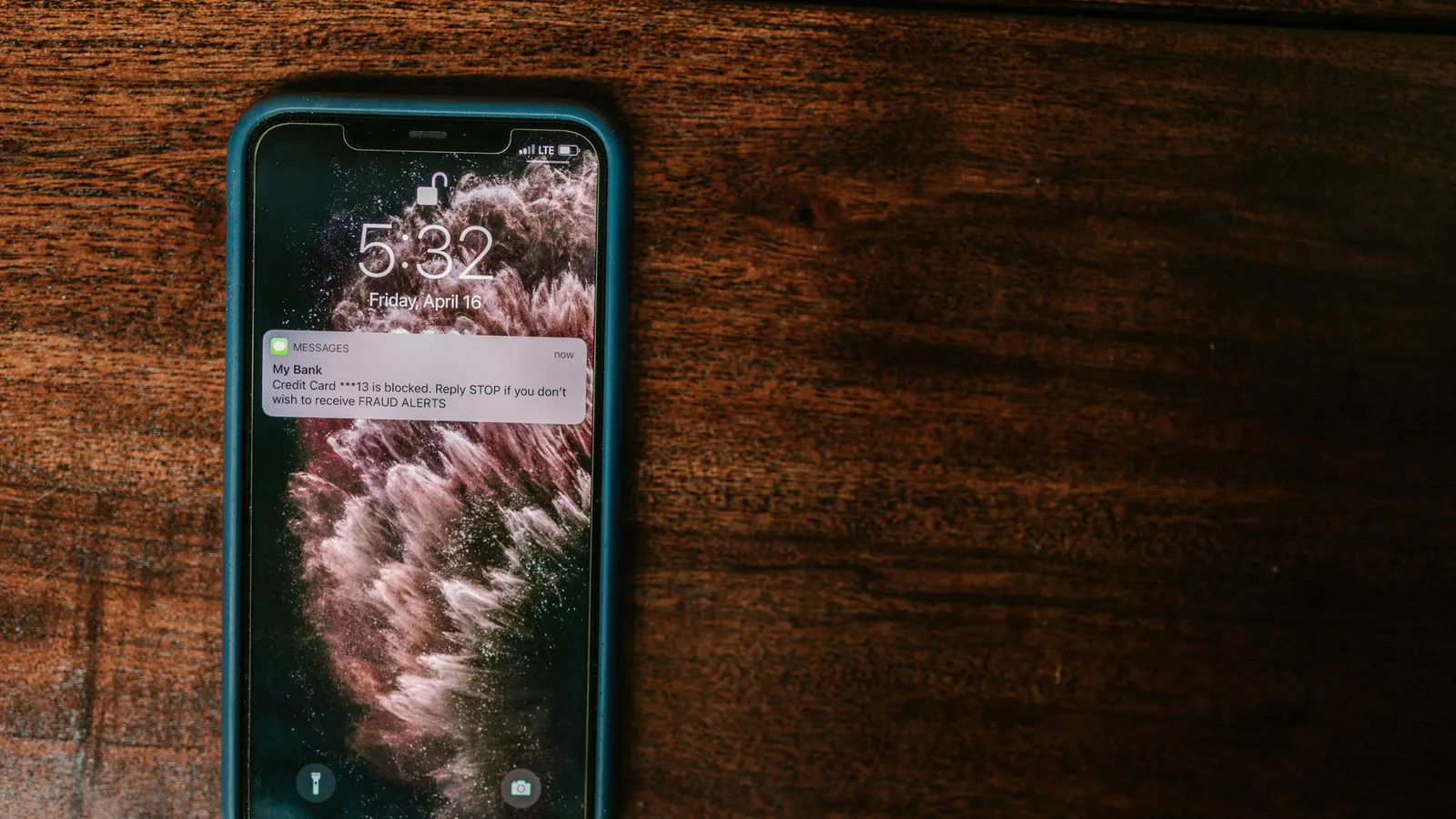
Fix: Demand recovery. When a call goes unanswered, the system sends an automatic SMS to the caller within 60 seconds: “Sorry we missed you, happy to book you in. Reply with your name and the issue and we will text you back with available times.” Most new patients reply. The booking happens.
2. The call lands after hours
Toothache does not respect business hours. Plenty of new patient calls happen at 7pm, 9pm, Saturday afternoon, Sunday morning. A standard practice phone goes to a generic voicemail. The patient leaves a message, or does not, and calls a chain or after-hours service.
Fix: Same demand recovery, plus considered after-hours routing. Set the system to send the SMS automatically and optionally route real emergencies (severe pain, trauma) to an on-call number or an emergency dental service. Routine bookings get the SMS and book themselves in via reply when you are open.
3. Reception is great at appointments, less great at conversion
A surprising number of new-patient calls are answered, the patient's details are taken, and nothing happens. They are told someone will call back, or they are given a price that ends the conversation, or the booking is left soft (“I will have a think”).
You do not know any of this until you listen to the calls.
Fix: Call recording and speech analytics. Listen back to a sample of new patient calls each week. Most practice owners are shocked the first time they do this. The fix is usually a 30-minute training session with reception: script for new patients, how to handle “how much?”, when to offer the next available slot vs ask for preference. Conversion rates from call to booking can move 20 to 40% from this alone.
4. The marketing is working but you cannot prove it
You spend money on Google Ads, on Facebook, on a sign on the building, on a letterbox drop in the surrounding suburbs. Calls come in. You cannot tell which channel drove which call. So you cannot tell which channel is actually generating new patients vs which is generating tyre-kickers vs which is generating nothing.
Fix: Call tracking with per-channel numbers. Each marketing channel gets its own phone number. The call still rings reception. But now you see Google Ads brought 14 calls last week, the letterbox drop in Hurstville brought 3, the signboard brought 2, and Facebook brought zero. Reallocate budget accordingly.
The dormant patient problem (bonus)
New patient acquisition gets all the attention but most practices have hundreds of patients who have not been in for 12, 18, 24 months. Recall systems try to reach them, they do not respond to email, eventually they get marked “dormant” and forgotten.
Database reactivation sends a friendly SMS to those patients: “Hi [name], it has been a while since your last visit. Would you like us to book your next clean? Reply YES with a preferred day.” SMS open rates are dramatically higher than email. A typical reactivation campaign brings 5 to 15% of dormant patients back through the door.
What it takes to set up
Most practices can have all of this running inside a week. Tracked numbers go on your existing marketing materials (no website redesign needed). Demand recovery and routing sit in front of your existing phones. Speech analytics does not need new hardware. Reactivation runs against a CSV of past patient contacts.
The biggest practical block is usually just making the time to listen to the first batch of recordings. Once a practice owner does that and sees what is actually happening on the phone, the rest gets easy.
If you want to see what is happening at your practice: book a free call audit. The Gibson team will look at your current setup and show you specifically where new patients are leaking. No pitch, no pressure.
Frequently asked questions
What is the lifetime value of a dental patient?
Across regular cleans, fillings, restorative work and the occasional crown or implant, dental patient lifetime value is typically several thousand dollars. A single new patient who stays with your practice for 5 to 10 years represents significant long-term revenue.
Does demand recovery work for dental after-hours calls?
Yes. The system sends an automatic SMS within 60 seconds when a call goes unanswered, any time of day or night. Patients in pain or distress get an immediate response rather than a generic voicemail, and routine booking requests come through by SMS reply when you open.
How does call recording help dental reception conversion?
Listening to a sample of new patient calls each week reveals exactly where conversations break down: price objections handled poorly, soft booking language, or patients left waiting for a callback that never happens. Most practices see 20 to 40% improvement in call-to-booking conversion after a single reception training session based on call recordings.
How does database reactivation work for dental practices?
A targeted SMS goes to patients who have not been in for 12 to 24 months. The message is conversational, uses their first name, and asks if they would like to book their next clean. SMS open rates are dramatically higher than email, and a typical reactivation campaign brings 5 to 15% of dormant patients back.
Do I need to redesign my website to use call tracking?
No. Tracked numbers go on your existing marketing materials and website. Nothing on the patient-facing side changes. Calls route through to your existing phones exactly as they do now.