What you need to know
- An SMS firing within 60 seconds of a missed call recovers a material share of those callers across trades, medical, legal, and real estate businesses.
- Around 85% of callers hang up without leaving a voicemail, so voicemail alone loses almost all missed-call enquiries.
- Messages under 160 characters that end with a direct question get the highest response rates.
- After-hours messages can let emergency jobs self-identify while queuing non-urgent work for the morning.
- The system works with your existing number, requires no new hardware, and is live in under a day for a single location.
There is a window after a missed call. It is shorter than most business owners think.
A plumber out on a job in Cronulla misses a call at 10:42am. The person calling has a burst pipe or a blocked drain. They are not going to wait. They call the next number on Google. Within three minutes (sometimes less) that enquiry is gone.
Voicemail does not stop this. The caller is already past the point of leaving a message. What stops it is an SMS that arrives before they dial the next number. Something that says: I saw your call, I am on a job, what is the problem and where are you?
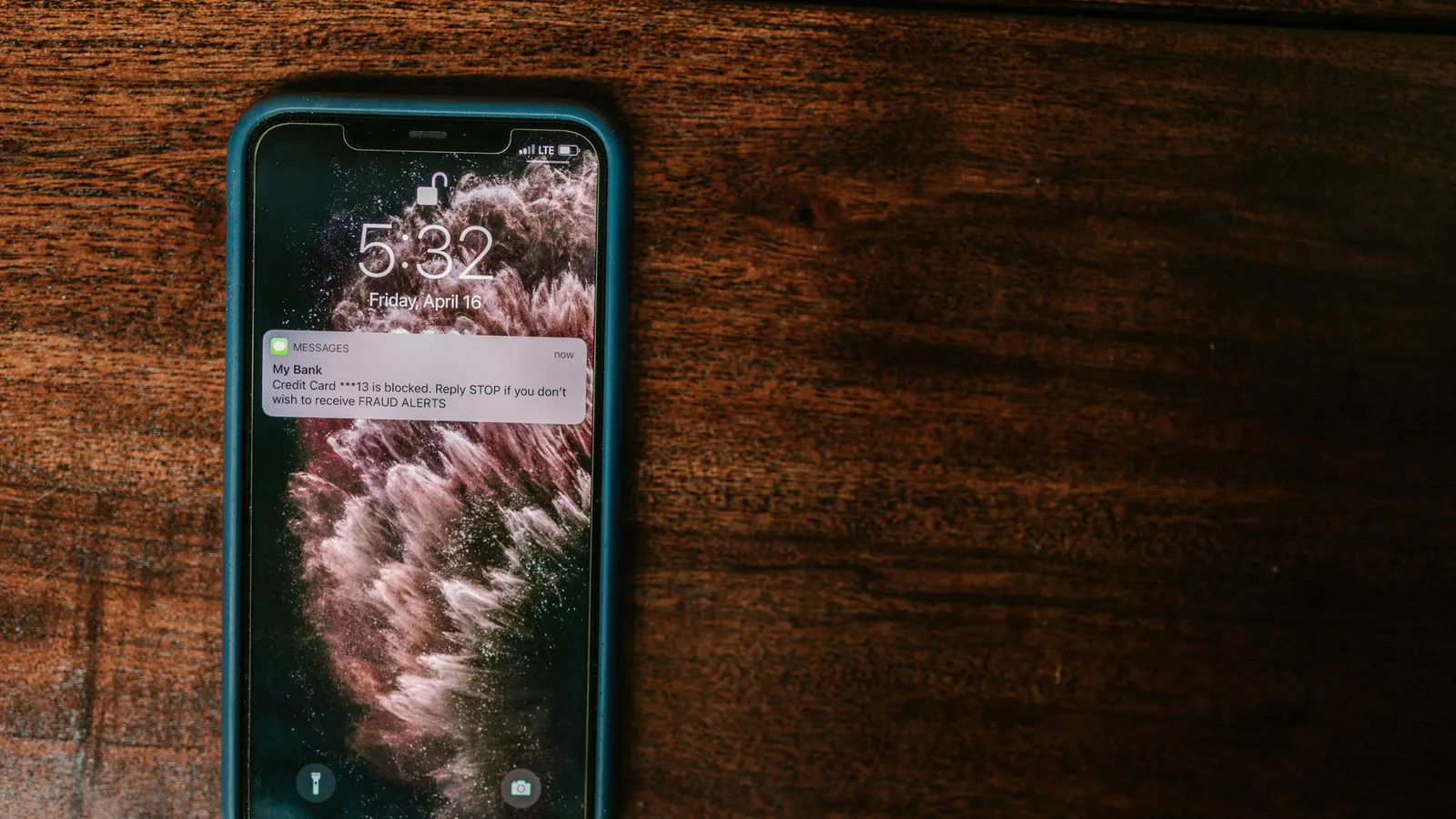
That is what SMS text-back for missed calls does. It automates that response so it fires within 60 seconds, without anyone on your team having to do anything in the moment.
How does it work technically?
When a call goes unanswered (because your line is engaged, you are on another call, nobody picks up, or the call diverts to voicemail) the system detects the missed call event and fires an SMS within 60 seconds. The message goes to the caller's mobile from a local mobile-looking number, not a short code or an obviously automated sender. The customer receives it as a standard text message.
When the customer replies, the reply comes into your dashboard and optionally forwards to your mobile as a standard SMS. From that point it is a two-way conversation. No app required on either side. No new technology for the customer to learn. It works on every mobile network in Australia.
The system sits in front of your existing phone number. There is no hardware to install, no porting of your number, no disruption to your current setup. For a standard single-location business, configuration takes less than a day.
“SMS text-back is not a marketing tool. It is a recovery mechanism. The acknowledgement arrives before the caller has reached the next result on Google.”
Why does this work when voicemail does not?
Around 85% of callers hang up without leaving a voicemail. This is a consistent finding across call analytics data from high-volume Australian businesses (trades, medical, legal, real estate). Customers today do not leave voicemails because they do not expect anyone to listen to them quickly. They hang up and move on.
An SMS works for a different reason. It signals two things immediately: “I know you called” and “I have not forgotten you.” That acknowledgement changes the dynamic. The caller stops shopping around because they feel they are already in a conversation. The psychology here is the same reason live chat on websites consistently outperforms contact forms. Immediate acknowledgement creates a sense of relationship before the conversation has even started.
In 2026, with Google AI Overviews reducing website clicks for many informational searches, more people are calling directly without visiting your site first. Those callers are already decided. They are calling to book or to get a quote. Losing one to voicemail is more costly now than it was two years ago.
The message formula: under 160 characters, personal tone, direct question
The message needs to do three things: identify who you are, acknowledge the missed call without sounding like a robot, and ask a direct question the customer can answer in one line. Under 160 characters keeps it in a single SMS frame, which reads as personal rather than broadcast.
Here are working examples across different industries:
Trades: “Hi, [name] from [business]. Sorry I missed you. On a job right now. What suburb and what is the issue? I will text back with a rough price and timing.”
Medical practice: “Hi, this is [practice name]. Sorry we missed your call. Are you an existing patient or looking to book a new appointment? Reply here and we will sort it.”
Real estate: “Hi, [agent] at [agency]. Missed your call. Happy to call back or chat here. Is this about a property to buy, sell or rent?”
Legal: “Hi, [firm name]. Sorry we missed your call. What type of matter is it and we will have someone call you back within the hour.”
Each of these is specific, asks one answerable question, and sounds like it was written by a person. None exceed 160 characters.
What not to say
Corporate templates kill response rates. “Your call is important to us and will be returned shortly” sounds like the company that put you on hold for 40 minutes and then played the same seven-second jingle on repeat. Customers recognise it immediately as an automated response and ignore it.
Long messages that run past 160 characters fragment across multiple SMS frames and read as a marketing broadcast, not a personal text. Response rates drop when the message looks like it was generated by a system rather than typed by a person.
Messages with no question give the customer nothing to respond to. “Sorry we missed your call, we will get back to you soon” is a dead end. Always end with a direct question that requires only one line in reply.
After-hours variation
The SMS can be configured differently for after-hours calls. During business hours, the tone assumes fast follow-up. After hours, the message should be honest about timing while still keeping the caller engaged:
Standard after-hours: “Hi, [business name]. We are closed right now but we have seen your call. Reply with your question and we will call you back first thing tomorrow morning.”
For trades where emergency jobs carry a premium after-hours rate, you can be direct about it:
Trades emergency triage: “Hi, [business]. After-hours rate applies for urgent jobs tonight. Reply YES if it is urgent and I will call back in 15 minutes. Or reply with the issue if it can wait until morning.”
This lets genuine emergencies reach you while non-urgent jobs queue for the morning. You stay available for real problems without your phone ringing all night for jobs that could wait.
Setup and what you need
SMS text-back works with your existing phone number and existing mobile. There is no new hardware, no new phone system, and no number porting. For a single-location business with one main number, the system is live in less than a day. For multi-location businesses or businesses with multiple team members answering calls, configuration takes longer, but the principle is the same.
If you want to see what your current missed-call rate actually is, start with the free call audit. We will pull the data, show you when and how often calls are going unanswered, and give you a clear picture of what it is costing you.
For the full picture on what demand recovery looks like for your specific business type and call volume, call the Gibson team directly on 1800 950 347.
Missed call recovery in one line
Missed call recovery, sometimes called missed call text back or text back missed call, is the whole mechanism: the moment a call goes unanswered, a missed call SMS fires within roughly 60 seconds. That 60 second SMS is what keeps the enquiry alive while the caller is still holding the phone.
Frequently asked questions
How quickly does the SMS fire after a missed call?
The system fires within 60 seconds of the missed call event. That speed is critical. Under 60 seconds recovers a materially larger share of callers than a 5-minute delay, because the caller is still holding their phone and has not yet started searching for the next business on the list.
What response rate can I expect from SMS text-back?
Across our client base, response rates vary by industry and message quality, but the pattern is consistent: SMS text-back recovers a meaningful share of callers who would otherwise have been permanently lost to voicemail. The businesses that see the strongest results are those who use a personal-sounding message with a direct question, not a corporate template.
Do I need new hardware or a new phone number?
No. The system sits in front of your existing number. There is no hardware to install, no porting required, and configuration for a single-location business takes less than a day. Callers dial the same number they always have.
Why does SMS work when voicemail does not?
Around 85% of callers hang up without leaving a voicemail. An SMS signals immediately that you received their call. It stops them shopping around and opens a two-way conversation. The psychology is simple: acknowledgement creates a sense that a relationship has already started, which changes the caller's decision about whether to keep looking.
Can I send different messages for after-hours calls?
Yes. The system can be configured with a separate after-hours message that sets honest expectations while still keeping the caller engaged, including a self-identification option for urgent jobs. A trades business, for example, might let emergency jobs flag themselves as urgent while queuing non-urgent work for the morning.
Is SMS marketing to callers legal in Australia?
Yes, because the caller initiated contact with you. Sending an SMS to someone who just called your number is not subject to the same opt-in requirements as outbound marketing SMS under the Spam Act 2003, because it is a direct response to their inbound call. It is not solicited marketing. It is a callback mechanism. Always include your business name so the recipient knows who the message is from.