What you need to know
- All-in cost for a solo DL letterbox campaign in Sydney is roughly $170 to $250 per 1,000 delivered, combining print and distribution.
- Shared distribution is cheaper ($35 to $50 per 1,000) but your flyer competes for attention the moment the resident opens their letterbox.
- GPS tracking does not confirm delivery. Supervisor spot checks with on-site photos are the correct verification method.
- Solo distribution is the right choice for any business with an average job value above $5,000 or where trust and perception affect conversion.
- A tracked number on your flyer ($15 to $30 per month) turns letterbox distribution from a guessing game into a measurable, optimisable channel.
Letterbox distribution is one of the few marketing channels where the total cost is genuinely predictable before you spend a dollar. But most businesses get quoted a distribution price without understanding the full picture. Print costs, format choices, solo vs shared, and suburb selection all affect what you actually pay. This guide covers all of it with real Sydney pricing from 2026.
What are the two cost components of a letterbox campaign?
Letterbox campaigns have two separate cost elements that most operators charge for independently. Print costs cover design, printing, and delivery to the distributor. Distribution costs cover the physical delivery to letterboxes. Some operators bundle both, most do not. If you get a quote that only covers one component, ask about the other before you commit.
Distribution pricing across Sydney
In Sydney in 2026, solo distribution (your flyer delivered alone, no other material in the same drop) runs $70 to $90 per 1,000 letterboxes delivered. This is the premium option and the one you should use for high-value service categories.
Shared distribution, also called catalogue drops, runs $35 to $50 per 1,000. Your flyer is bundled with two or three other non-competing businesses. It is cheaper but your material competes for attention the moment the resident opens their letterbox.
Geography affects price. Inner Sydney suburbs, where streets are dense, walk times are short, and delivery is efficient, tend to sit at the lower end of these ranges. Outer western suburbs and areas with longer street spacing, more apartment blocks requiring intercoms, or significant hills, tend to run at the top of the range or slightly above.
Print costs by format
DL format (99mm x 210mm, the size of a standard envelope) is the most common letterbox flyer format in Australia. Two-sided gloss DL flyers cost $100 to $160 per 1,000 from a reputable commercial printer. If you add a fold, expect to add $30 to $40 per 1,000 to that price.
A5 (148mm x 210mm) runs $150 to $220 per 1,000 for two-sided gloss. It has more space for offers, images, and supporting copy. For trades, food delivery, and real estate, A5 tends to perform better than DL because you have room to show actual work, actual properties, or actual deals.
A4 (210mm x 297mm) costs $200 to $300 per 1,000. It commands immediate attention in the letterbox and works well for property appraisal invitations, medical practice introductions, and businesses with a complex service offering that needs more real estate. Beyond A4, the cost-per-impression return starts to diminish.
Total cost per campaign: what to expect
For a solo DL drop, combine print ($130 per 1,000) with distribution ($80 per 1,000) and you are at roughly $210 per 1,000 delivered. For 5,000 flyers, that is approximately $1,050. For 10,000, around $2,000. These are all-in estimates and will vary by suburb, format, and print quantity.
Shared DL drops are cheaper: $35 to $50 distribution plus the same print cost puts you at $165 to $200 per 1,000 total. The saving per thousand is real but the channel performs differently.
Most Sydney operators have a minimum order of 5,000 for solo distribution. Some will take smaller orders as part of a shared drop. For campaigns below 5,000, confirm minimum order requirements before quoting your budget.
Why cheap distribution is often false economy
The lowest-cost distributors in Sydney have the highest rates of unverified delivery. You pay for 10,000 drops, the flyers go into a recycling bin, and you get a completion report with no verification. This is not a hypothetical. It is the most common complaint about letterbox distribution as a channel.
Gibson uses supervisor verification with on-site photographs at key delivery intervals. Supervisor spot checks and on-site photos confirm actual delivery in sampled areas. If your operator cannot tell you their verification method, ask before you commit.
Solo vs shared: when does each make sense?
For trades, food delivery, and community-based businesses with offers that speak for themselves, shared distribution can work well. The offer is simple, the decision is low-risk, and price-sensitivity is high enough that a flyer in a bundle still converts.
For real estate, legal, financial services, medical practices, and any business where perception and trust affect conversion, solo distribution is the correct choice. If your average job value is $5,000 or above, you are not the kind of business that benefits from being bundled with a pizza shop flyer. The extra $30 to $40 per 1,000 is a small investment relative to the lead value.
Tracked numbers on letterbox flyers
Adding a tracked number to your flyer costs $15 to $30 per month and tells you exactly how many calls each drop generated. Without a tracked number, you are guessing at ROI. With one, you know the cost-per-call, the cost-per-conversion, and which suburbs and which creative performed best. It is the single most important thing you can add to a letterbox campaign if you plan to run more than one.
As businesses rely more heavily on first-party data following the decline of third-party tracking, a dedicated tracked number on each flyer is also a clean, reliable way to build a first-party call dataset you own outright. No cookies, no third-party reliance, no expiry.
See how to track letterbox drop ROI for a full guide on setting this up.
How to get a quote
To get an accurate quote from Gibson, you need three things: your target suburbs, your total quantity, and your preferred format. With those three inputs, we can provide a same-day quote including print, distribution, and a tracked number. Request a quote here or call 1800 950 347.
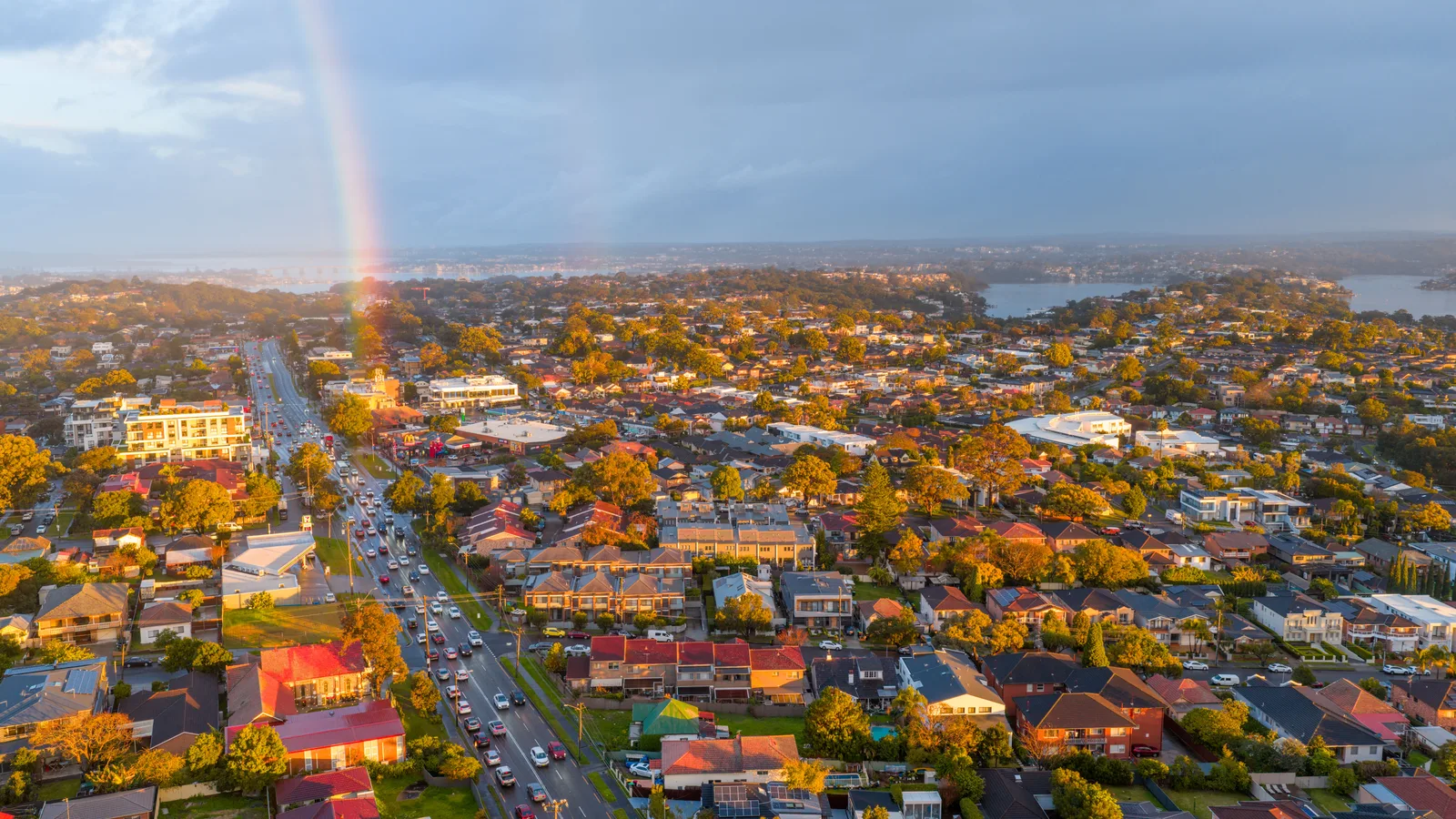
Gibson has been delivering letterbox campaigns across Sydney since 2006 across more than 155 suburbs covering the metropolitan area. We cover Inner West, Eastern Suburbs, North Shore, Hills District, Parramatta and Greater Western Sydney (including industrial precincts like Wetherill Park), and South Sydney. If your target area is in the 5 to 40km ring around the CBD, we cover it.
Frequently asked questions
How much does letterbox distribution cost per 1,000 in Sydney?
Solo distribution runs $70 to $90 per 1,000 letterboxes. Shared distribution runs $35 to $50 per 1,000. Print costs are separate. A DL flyer adds $100 to $160 per 1,000, bringing the all-in cost for a solo DL drop to roughly $170 to $250 per 1,000.
What is the minimum order for letterbox distribution in Sydney?
Most Sydney operators have a minimum of 5,000 for solo distribution. Some will take smaller orders as part of a shared drop. Confirm minimum order requirements before quoting your budget.
Should I choose DL, A5, or A4 for my letterbox flyer?
DL is the most common and cost-effective format. A5 gives more room for offers and images and tends to perform better for trades and food. A4 works well for real estate appraisal invitations and businesses with a complex service offering. Beyond A4, the cost-per-impression return starts to diminish.
How do I know if my flyers were actually delivered?
Ask your distributor about their verification method. Supervisor spot checks with on-site photographs confirm actual delivery in sampled areas. If an operator cannot explain their verification process, ask before committing.
How do I track the ROI of a letterbox drop?
Add a tracked phone number to your flyer. At $15 to $30 per month, a tracked number tells you exactly how many calls each drop generated, the cost-per-call, and which suburbs and creative performed best. Without it, you are guessing at ROI.