What you need to know
- Unique tracked numbers per campaign attribute every inbound call to the right channel, whether it is radio, search, flyers, or social.
- Dynamic Number Insertion captures the exact keyword a caller searched before dialling, so you know which terms drive test drive enquiries.
- Google research shows 50% or more of paid clicks on branded terms are incremental, which makes brand bidding hard to skip.
- Call recordings show which campaigns drive serious buyers and which generate tyre-kicker calls, so you can shift budget accordingly.
- Integrating call data with your CRM and ad platforms gives you a full picture from first impression to settled finance.
A car dealership runs radio ads, letterbox drops, Google search campaigns, and Facebook retargeting, all at the same time, often with different agencies handling each one. At the end of the month, the sales manager asks which campaign drove the most enquiries. Nobody knows. They guess. Budget decisions get made on gut feel and whoever argues loudest.
Call tracking solves this. Here is how it works for dealerships specifically.
Assigning a unique number to every campaign
The foundation is simple. Each campaign gets its own tracked phone number. Your radio ad runs a different number to your Google Ads. Your letterbox campaign for the EOFY sale uses a different number to your trade-in campaign. Every inbound call is automatically logged against the campaign that number belongs to.
At the end of the month you have a breakdown: radio generated 43 calls, Google search generated 187 calls, letterbox generated 29 calls. You can also see average call duration, answered vs missed, and with CRM integration, how many of those calls progressed to a test drive or a sale.
Dynamic Number Insertion for digital campaigns
For digital campaigns, Dynamic Number Insertion (DNI) goes a step further. When someone clicks a Google Ad and lands on your website, the number displayed on the page changes to match the keyword they searched. When they call that number, the system records not just that they came from Google, but the exact keyword that brought them.
This matters because keywords perform very differently. A search for “Mazda CX-5 EOFY deals near me” is a buyer. A search for “Mazda CX-5 review” is usually a researcher. Without keyword-level call tracking, your Google Ads reports show cost-per-click for both. With it, you can see cost-per-call and cost-per-test-drive by keyword, and cut the ones that do not generate conversations.
“Without keyword-level call tracking, your Google Ads reports show cost-per-click. With it, you see cost-per-test-drive and you can cut the keywords that never become conversations.”
Branded search: why most dealerships cannot afford to skip it
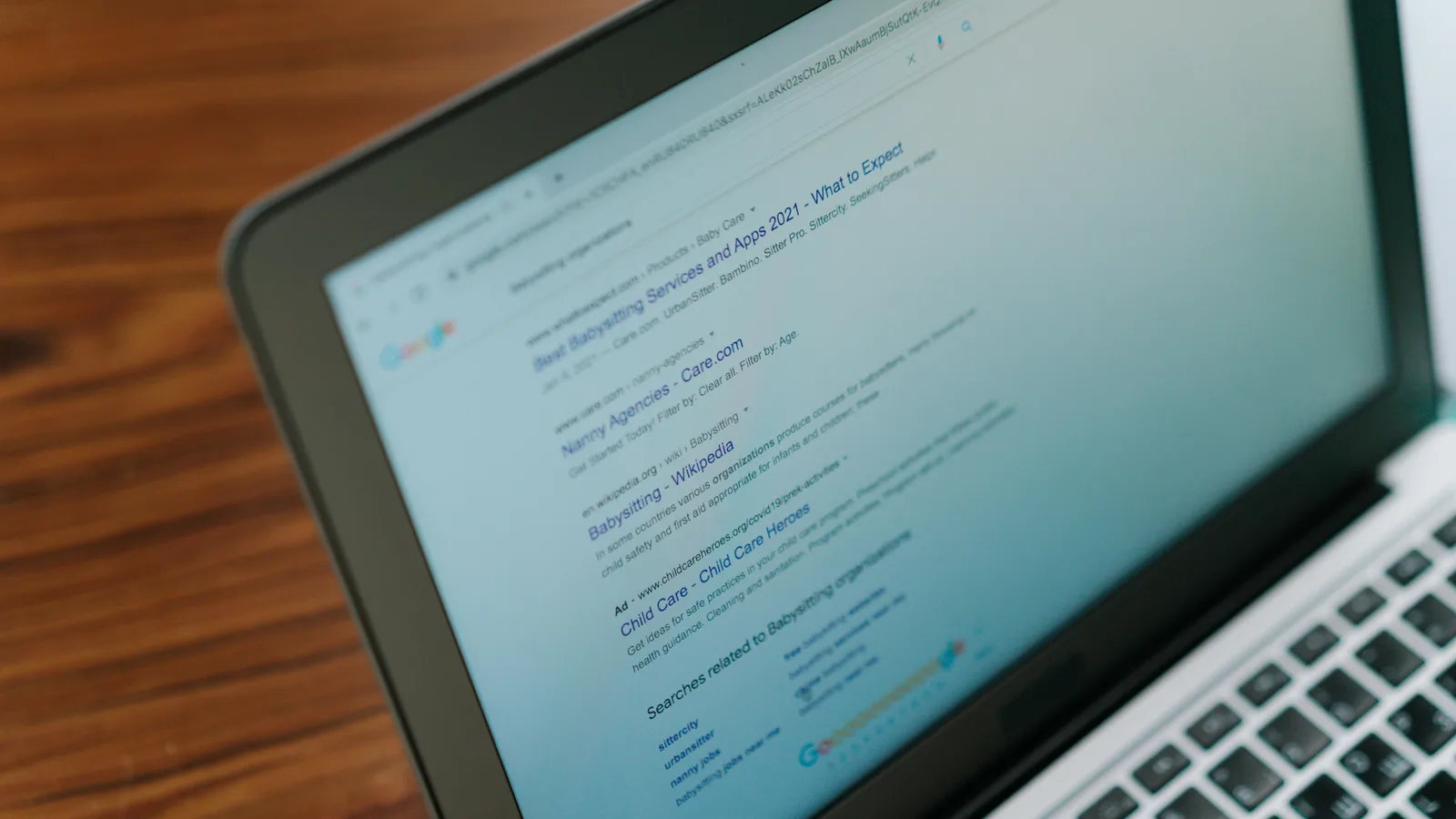
One question that comes up regularly is whether a dealership needs to bid on its own brand name in Google Ads if it already ranks organically. Google research shows that 50% or more of paid clicks on branded terms are incremental. That means roughly half of the people clicking a paid ad for your brand name would not have found you through the organic result.
That happens for a few reasons. Competitors bid on your brand name. Paid ads take up more real estate above the fold. And some users simply click the first result they see. If you are not defending your branded terms, you are spending money to rank organically and still potentially losing the enquiry to someone else.
Writing ad copy that matches how buyers actually search
High-intent automotive searches are specific. People searching “lease Toyota Corolla Sydney”, “buy used Ford Ranger Inner West”, or “Mazda CX-5 EOFY deals near me” are not browsing. They have a make, a model, a budget, and often a suburb in mind.
Ad copy that mirrors that specificity converts better than generic copy. Proximity signals work: “Located in [suburb], test drives available today.” Trust signals work: finance pre-approval, manufacturer warranty, capped-price servicing. Urgency works when it is genuine: an EOFY sale with a clear end date outperforms a vague “limited time offer.”
Call tracking closes the loop on all of this. You can test two versions of ad copy and measure which one generates more calls, not just more clicks.
Call recordings as a sales training tool
Beyond attribution, call recordings give sales managers something genuinely useful: a record of how enquiries are handled. Which salesperson converts test drive enquiries at the highest rate? What do they say that others do not? Which campaigns generate callers asking about finance options versus callers asking about trade-ins?
That data improves the sales process, not just the marketing. Combined with speech analytics, you can automatically surface calls where callers mentioned specific models, finance, or a competing dealership, and prioritise those for same-day follow-up.
CRM and ad platform integration
The full value of call tracking comes when it feeds into your CRM and back into your ad platforms. Call events passed into Google Ads tell the algorithm which clicks actually generated phone conversations, which means it can optimise toward people who call rather than people who just browse.
In your CRM, every contact record can show the source of the first call, the keyword if it came from search, and every subsequent call. For a high-ticket purchase like a car, buyers often call three or four times before committing. With full call history in the CRM, your sales team knows exactly where each customer is in the process.
If you want to see what this looks like for your dealership specifically, book a free call audit. We will map your current campaigns, identify which ones have attribution gaps, and show you what the data looks like once every channel is properly tracked.
Frequently asked questions
Do car dealerships need call tracking if they already have a CRM?
Yes. A CRM records what happens after a lead enters your pipeline. Call tracking tells you where the lead came from before it got there. Without call tracking, your CRM data shows you who bought a car but not which campaign prompted them to call in the first place. You need both.
Should I bid on my own dealership name in Google Ads?
Google research shows that 50% or more of paid clicks on branded terms are incremental, meaning those people would not have visited organically even if you ranked first. Competitors also bid on your name. If you are not bidding on your own brand, you are paying for organic rankings and still potentially losing the click to a competitor who is spending on your brand terms.
How does call tracking work with radio or print advertising?
You assign a unique phone number to each offline campaign. All calls to that number are logged with date, time, duration, and whether the call was answered. You can run a radio campaign for 4 weeks and see exactly how many calls it generated, how many were answered, and what happened downstream in your CRM.
Can call tracking integrate with Google Ads and Facebook Ads?
Yes. Call events can be passed back into Google Ads as conversions, which means your campaigns optimise based on actual phone calls rather than just clicks or form fills. The same applies to Meta. This typically improves campaign performance because the algorithm learns which audiences actually call, not just which ones click.